Recent events have brought renewed attention to a long-running legal battle between the state of Oklahoma and major poultry companies in Arkansas over environmental concerns and water pollution. The case centers on allegations that poultry waste generated in northwest Arkansas was contributing to water pollution in eastern Oklahoma, particularly in the Illinois River Watershed (IRW).
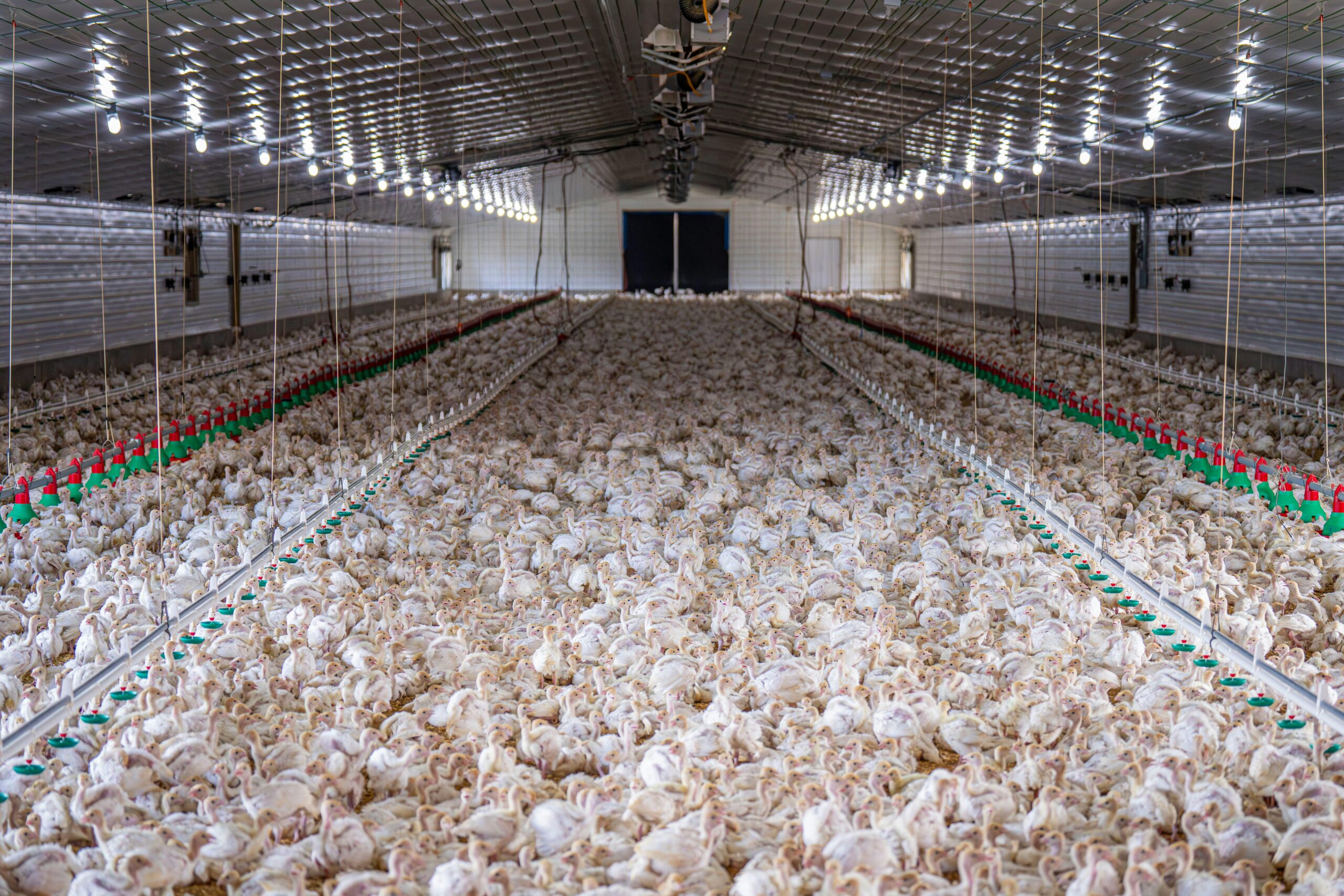
The lawsuit began in 2005 when Oklahoma officials filed claims in federal court against several poultry companies, including Tyson Foods, Cargill, and Cobb-Vantress. Poultry production generates large quantities of chicken litter- a mixture of manure, bedding, feathers, and feed residue. Growers commonly apply chicken litter to fields as fertilizer because it contains valuable nutrients such as nitrogen and phosphorus. However, excessive phosphorus application can create runoff problems that impair nearby streams and rivers. In this case, Oklahoma officials argued that phosphorus from chicken litter spread on farmland in Arkansas was washing into the IRW, contributing to algae growth and declining water quality.
After years of discovery, pretrial motions and a fifty-two day trial, closing arguments were heard in February 2010. The trial involved numerous legal claims, including public nuisance, trespass, negligence, and violations of environmental laws. Oklahoma sought injunctive relief that would require changes to litter management practices and requested damages for environmental remediation. The poultry companies denied liability and argued that growers, as independent contractors, controlled litter application decisions and should be held directly responsible for any damages. The companies also argued that the growers complied with existing state regulations and nutrient management requirements.
In January 2023, the court issued its 219 page ruling. In short, however, the court held that poultry litter was a key non-point source of pollution in the watershed. Additionally, it found that the poultry companies were responsible for the damages caused by the litter. The court did not, however, specifically forbid the future use of litter. Further, the court did not identify specific consequences for the ruling. Instead, the parties were directed to “meet and attempt to reach an agreement with regard to remedies to be imposed”.
The parties were unable to reach an agreement. Further, the poultry companies filed a motion to dismiss, arguing that in the 13 years between the trial and the ruling, conditions in IRW “materially changed” enough that it was unfair to hold the poultry companies responsible for litter application. The court held a hearing on the motion in December 2024, where experts from both sides presented evidence about the effects of the litter. Six months after the hearing, the court issued a ruling finding that conditions in the watershed were not “materially changed,” and continuing phosphorus run-off from litter application continued to be a significant source of injury to the IRW.
Soon after that, the court issued its ruling on damages. In addition to civil penalties of $10,000 per violation, the court held the companies jointly and severally responsible for environmental cleanup efforts of the watershed. Remediation would be paid for through a dedicated account, initially funded by the companies at $10 million. A court-appointed special master would oversee remediation activities- predicted by the court to last 30 years- and provide ongoing progress reports. The remedies also included restrictions on poultry litter application rates, generally limiting application to two tons per acre, while also holding the companies responsible for removal, storage, transport and disposal of future litter from barns in the watershed.
In the next few months, however, the Oklahoma Attorney General’s office announced settlements with several of the companies that would 1) provide a sum of money to facilitate cleanup and 2) progressively reduce the amount of litter applied in the IRW. No civil penalties would be imposed. The settling companies include Cargill, George’s, Peterson Farms and Tyson, who cumulatively agreed to pay $31 million.
However, in April 2026, the judge rejected the settlement proposals. In his ruling, he held that the proposed sum and scope of the settlements, which was substantially less than his ruling on damages, was insufficient to cover the costs of the cleanup.
Currently, there are pending appeals for both the substantive rulings and the rejection of the settlement. The Oklahoma Attorney General and Oklahoma Secretary of Energy have joined the settlement appeal.
While the results of this case are yet to be finalized, the Oklahoma legislature has passed legislation ensuring that similar cases in the future will be limited. In 2024, Senate Bill 1424 was passed. It prevents lawsuits against poultry companies over chicken waste pollution as long as the poultry farm has an approved waste disposal plan with the state.
This case underscores the difficulty of regulating “nonpoint source pollution,” a category that includes runoff from farms and agricultural land. Nonpoint source pollution is not directly regulated in the Clean Water Act, which leaves much of the responsibility for addressing agricultural runoff to the states and creates significant challenges for enforcing water quality protections when pollution comes from widespread, diffuse sources rather than a single discharge point.
The consequences of this ruling will have significant implications not only for poultry companies, but also for growers and others involved in the poultry industry, as well as residents of the area and those who enjoy the recreational opportunities available within the watershed. As future decisions are made, updates will be available in Southern Ag Today.
Rumley, Elizabeth. “Oklahoma-Arkansas Chicken Litter Case Continues.” Southern Ag Today 6(22.5). May 29, 2026. Permalink