Authors: Jeffrey H. Dorfman, Blake Hoarty, and Younghyeon Jeon, North Carolina State University
As previously reported here, both the number of tobacco farms and the acres planted have been in sharp decline in the United States, with farms down by 95 percent and acreage down 51 percent in the twenty years from 2002 to 2022 (Snell, 2024). Over half of the remaining tobacco farms and an even larger share of tobacco acres are in either Kentucky or North Carolina. A new survey of tobacco growers in North Carolina suggests some uncertainty over the survival of the crop in the U.S.
We surveyed tobacco farmers in North Carolina in December 2025 and January 2026 by emailing all of them a link to an online survey as well as using county agents to remind them to complete the survey. Responses from 114 producers give us a detailed current picture of tobacco growers.
The average acres of tobacco grown in North Carolina is 254 acres, and the median acres is 180. Only about 20 percent of growers report their average acres of tobacco as being less than 100 acres. There are very few “small” tobacco farmers left in North Carolina, particularly when you consider that the average total acres farmed by our respondents is 1,883. In North Carolina, tobacco is most often a high-return part of a large-scale diversified farm. This is further confirmed by the fact that over half the respondents report income above $250,000 per year, and we find the median number of commodities grown on these farms is four. The most common other crops are soybeans, corn, wheat, other vegetables, sweet potatoes, and cotton.
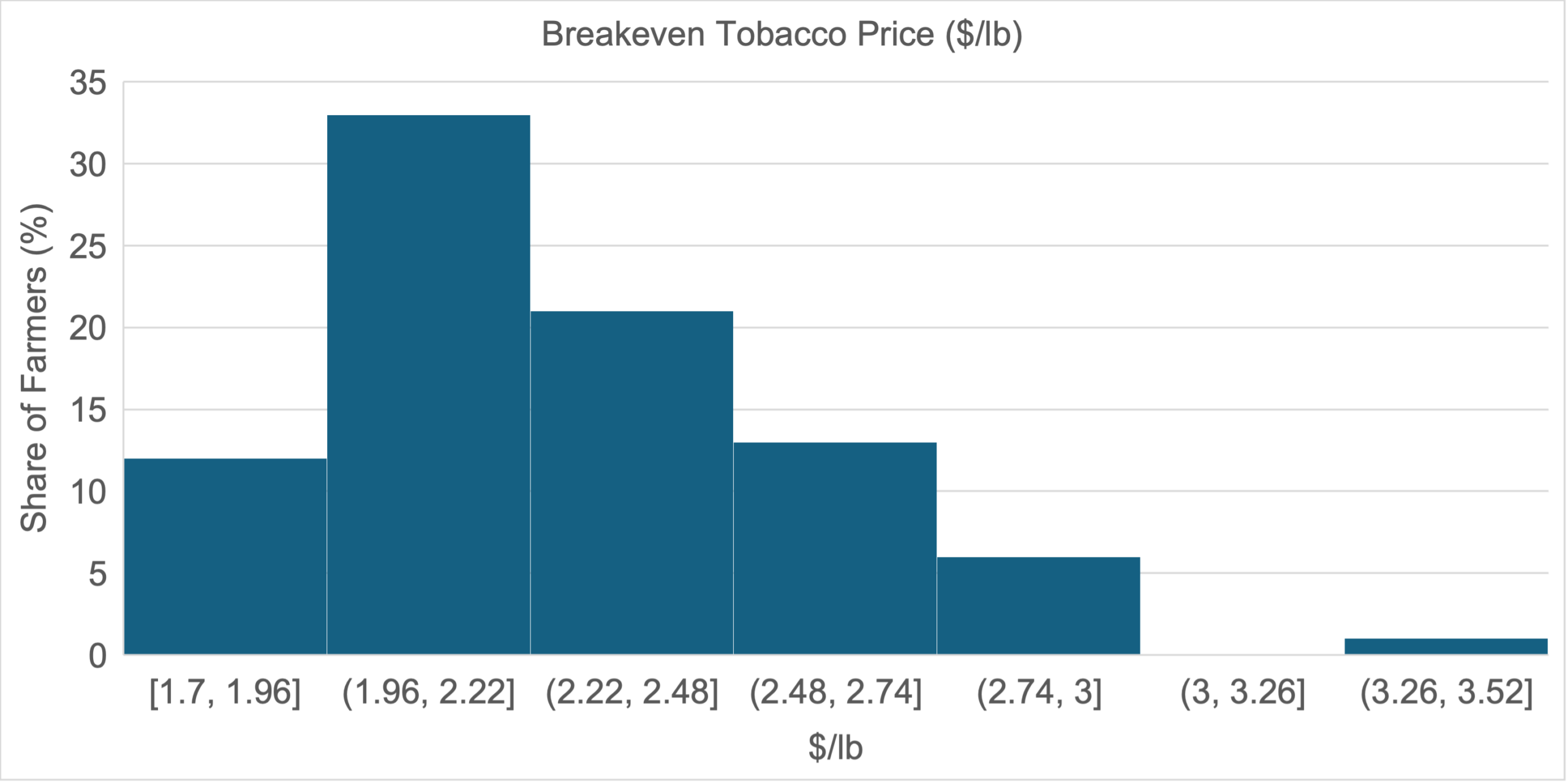
The average tobacco farmer in North Carolina reports a breakeven price of $2.24 per pound and a desired profit-goal price of $2.63 per pound. Market prices over the last few years have generally produced profits above breakeven, but meeting profit goals at $2.63 has been less common.
However, the troubling part of the survey is the answers to a question about “how many more years do you expect to grow tobacco?” Almost 50 percent of growers choose “1-5 more years,” and only 30 percent selected “11 or more years.” Only about four percent of farmers reported a breakeven price above common market prices, so farmers are not planning to exit due to unprofitable conditions. Instead, the more likely explanation is uncertainty surrounding the long-term future of tobacco production. Ongoing FDA tobacco regulatory proposals, potential restrictions on tobacco products, rising labor costs and hassles, and continued declines in domestic cigarette consumption may discourage growers from making long-term investments. As a result, when a farmer needs to replace their curing barns, they decide it is not worth the additional investment given they are not sure how many more years tobacco will remain a viable crop.
These survey results suggest that if cigarette manufacturers want to continue to have access to high quality American tobacco, they need to figure out a way to make further investment in modern infrastructure a choice farmers feel comfortable making. Without some movement on this front, it is likely that domestic tobacco production will look much different in the next ten to twenty years.
Figure 1. Expected Years of Continued Tobacco Farming
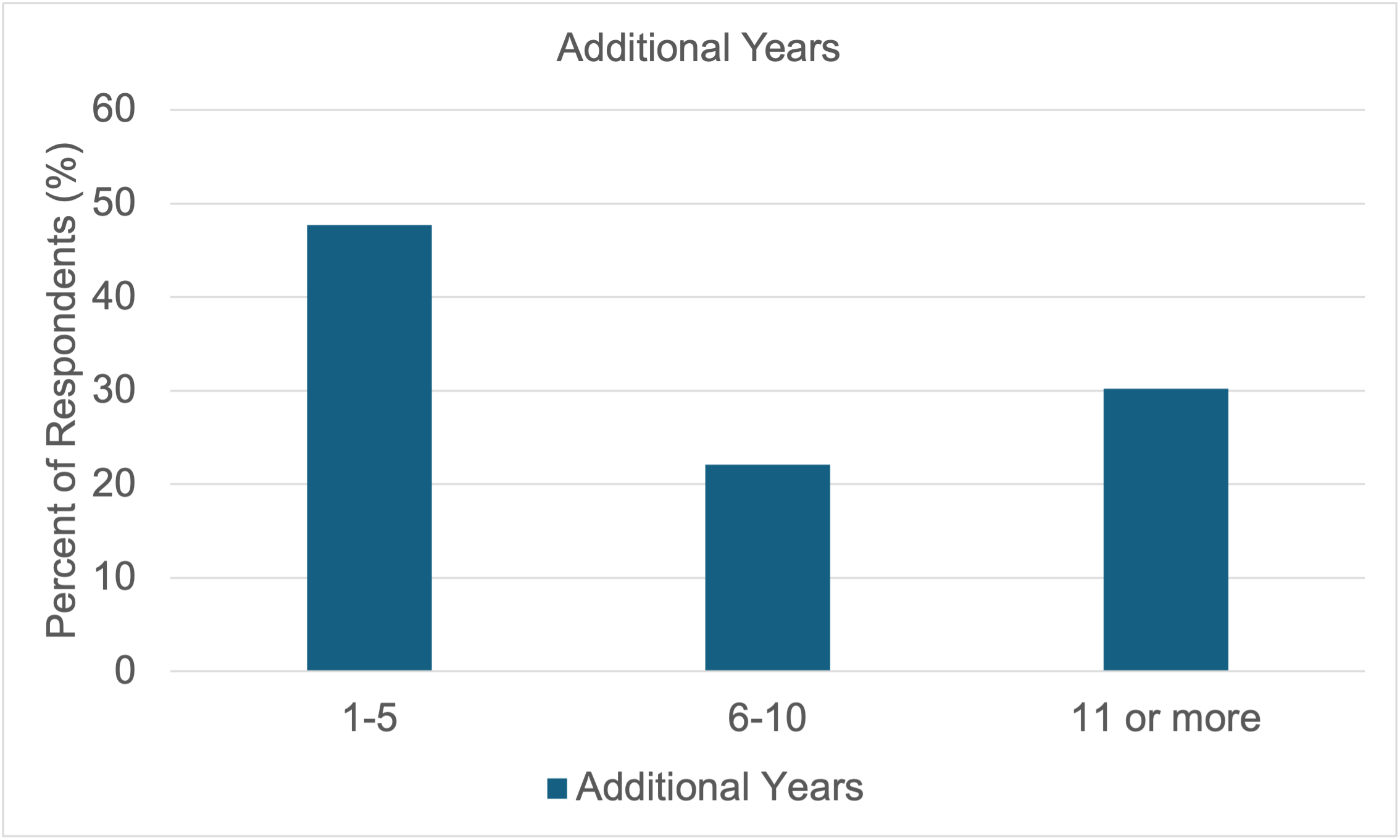
Figure 2. Histogram of Breakeven Prices Reported by NC Tobacco Farmers
References
Snell, Will. “Census Reveals Tobacco Farms Disappearing from Southern Agriculture.” Southern Ag Today 4(13.3). March 27, 2024.
Dorfman, Jeffery H., Blake Hoarty, and Younghyeon Jeon. “Is There a Future for Tobacco Farming?” Southern Ag Today 6(24.1). June 8, 2026. Permalink
