
Authors: Landyn Young and Luis A. Ribera
The United States-Mexico-Canada Agreement (USMCA) began July 1, 2020. The trade deal was a replacement for the North American Free Trade Agreement (NAFTA) which was done to help create reciprocal trade policies between the partner countries, increase trade and stimulate growth of their economies. While the deal is set to expire, unless an extension occurs, in 2036, the agreement will face review on the first of July. Both Canada and Mexico administrations have expressed their support of the trade agreement while the U.S. administration has expressed its reservations. Regardless of the results, it does not mark a true conclusion unless one member gives a formal intention to withdraw.
In 2019, the final full year of NAFTA, $41.3 billion of agricultural exports left the United States for Canada and Mexico, 29.3 percent of total U.S. agricultural exports (Figure 1). Since USMCA has been signed, annual agricultural exports totaled $59.3 billion in 2025, 34.6 percent of total U.S. agricultural exports. The largest category of products exported to Mexico and Canada since 2021 in terms of volume and value are grains and feeds which has accounted for 34.1 MMT of agricultural exports annually, or $13.9 billion (Figure 2). Grains and feeds ranked second during NAFTA, totaling 25.6 MMT worth $8.91 billion. Prior to USMCA, the largest export category to members in terms of value was animal products at $9.53 billion, estimated at around 3.87 MMT.
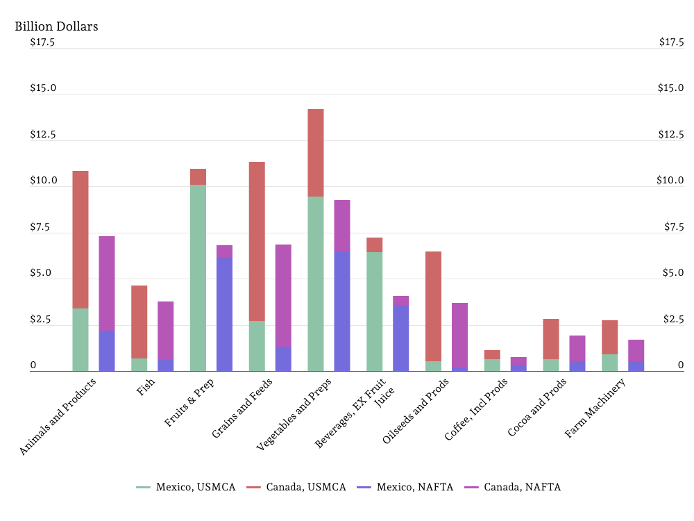
Imports from Canada and Mexico under USMCA have averaged 76 MMT annually worth $199 billion (Figure 3). The same timespan during the final years for NAFTA imports averaged 64.3 MMT worth $131 billion. In 2019, agricultural imports under NAFTA were 39.7 percent of total U.S. agricultural imports, while in 2025 they represented 39.1 percent under USMCA. Imports have increased across the board with each product category retaining a similar import share to that in NAFTA (Figure 4). Vegetables continue to hold the highest share of imported agricultural products from Canada and Mexico at 18.2 percent or $14.2 billion annually, as well as totaling 10.7 MMT. Under NAFTA, vegetable imports from the two partners totaled $9.25 billion and 8.6 MMT. Overall, both NAFTA and USMCA have been successful when you look at the overall objectives of the trade agreement, reduce tariff and non-tariff barriers and increase trade among member countries.
Figure 1. U.S. Value of Agricultural Exports, 1990-2025
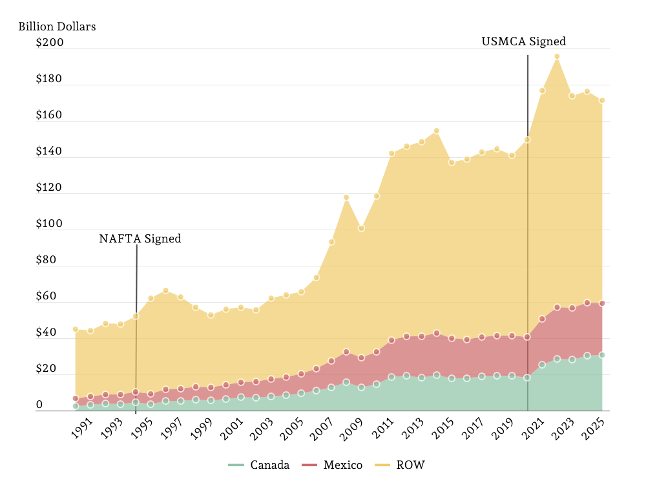
Figure 2. Comparing NAFTA and USMCA Agricultural Trade, U.S. Export Value
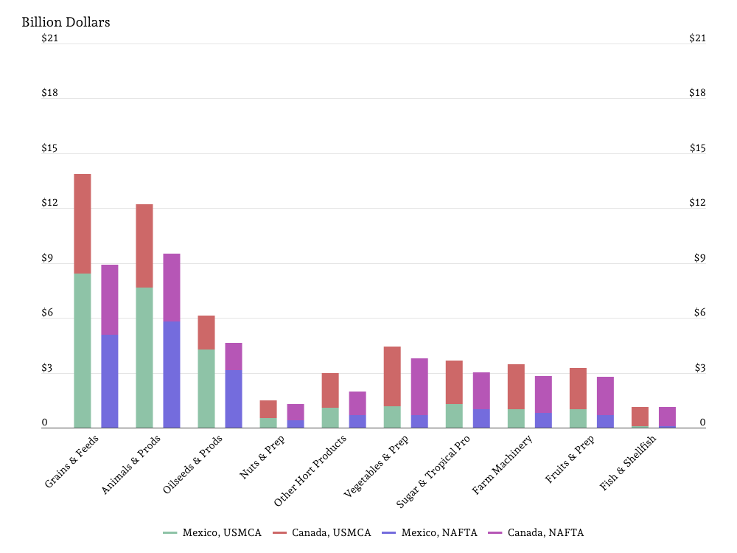
Figure 3. U.S. Value of Agricultural Imports, 1990-2025
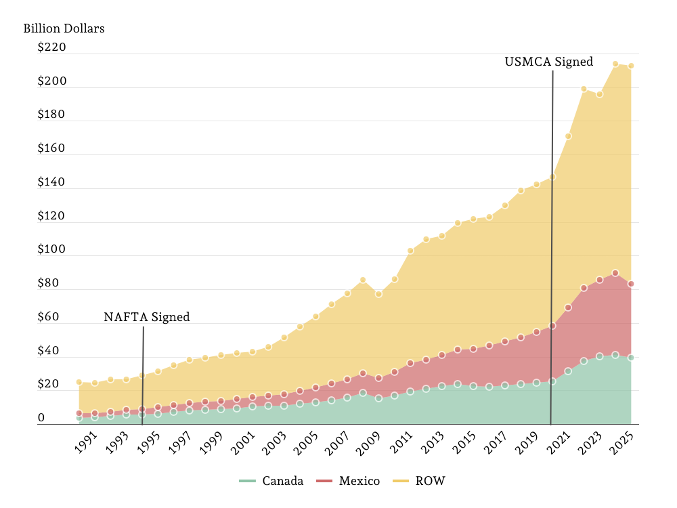
Figure 4. Comparing NAFTA and USMCA Agricultural Trade, U.S. Import Value
Recommended citation format: Young, Landyn, and Luis A. Ribera. “From NAFTA to USMCA.” Southern Ag Today 6(27.4). July 2, 2026. Permalink