For tax years beginning after July 4, 2025, sellers may elect to pay the net income tax attributable to gain from the sale or exchange of qualified farmland property to a qualified farmer in four equal annual installments instead of paying the full amount in the year of sale.[1] The first payment is due in the year of the sale or exchange, with the remaining three installments due over the following three tax years.
This special provision does not change the character of the gain or reduce the total tax liability, including the Net Investment Income tax. Instead, it provides flexibility in the timing of tax payments and may improve cash flow for investment or operational needs.
Qualified Farmland Property
To qualify, the farmland must meet all of the following conditions:
- Be located in the U.S.
- Have been used substantially by the seller for farming purposes, or leased to a qualified farmer for farming purposes, during the 10-year period ending on the date of sale or exchange.
- Be subject to a covenant or legal restriction prohibiting non-farming uses for at least 10 years beginning the day after the sale or exchange.
Essentially, the property must be used primarily for farming purposes for the 10 years before the sale and remain restricted to farming use for at least 10 years after the sale. In many parts of the U.S. South, eligibility for state property tax incentive programs requires land to remain in agricultural or forestry use. As a result, these programs are generally compatible with this federal income tax provision as long as the property continues to be used for agricultural or forestry uses.
For this provision, farming purposes are as defined under Section 2032A(e) of the Internal Revenue Code (IRC) and include:
- Cultivating soil or raising and harvesting any agricultural or horticultural commodities;
- Raising, shearing, feeding, caring for, training, and managing animals on a farm;
- Handling, drying, packing, grading, or storing agricultural or horticultural commodities in their unmanufactured state; and
- Planting, cultivating, caring for, or cutting trees or preparing trees for market (other than milling).
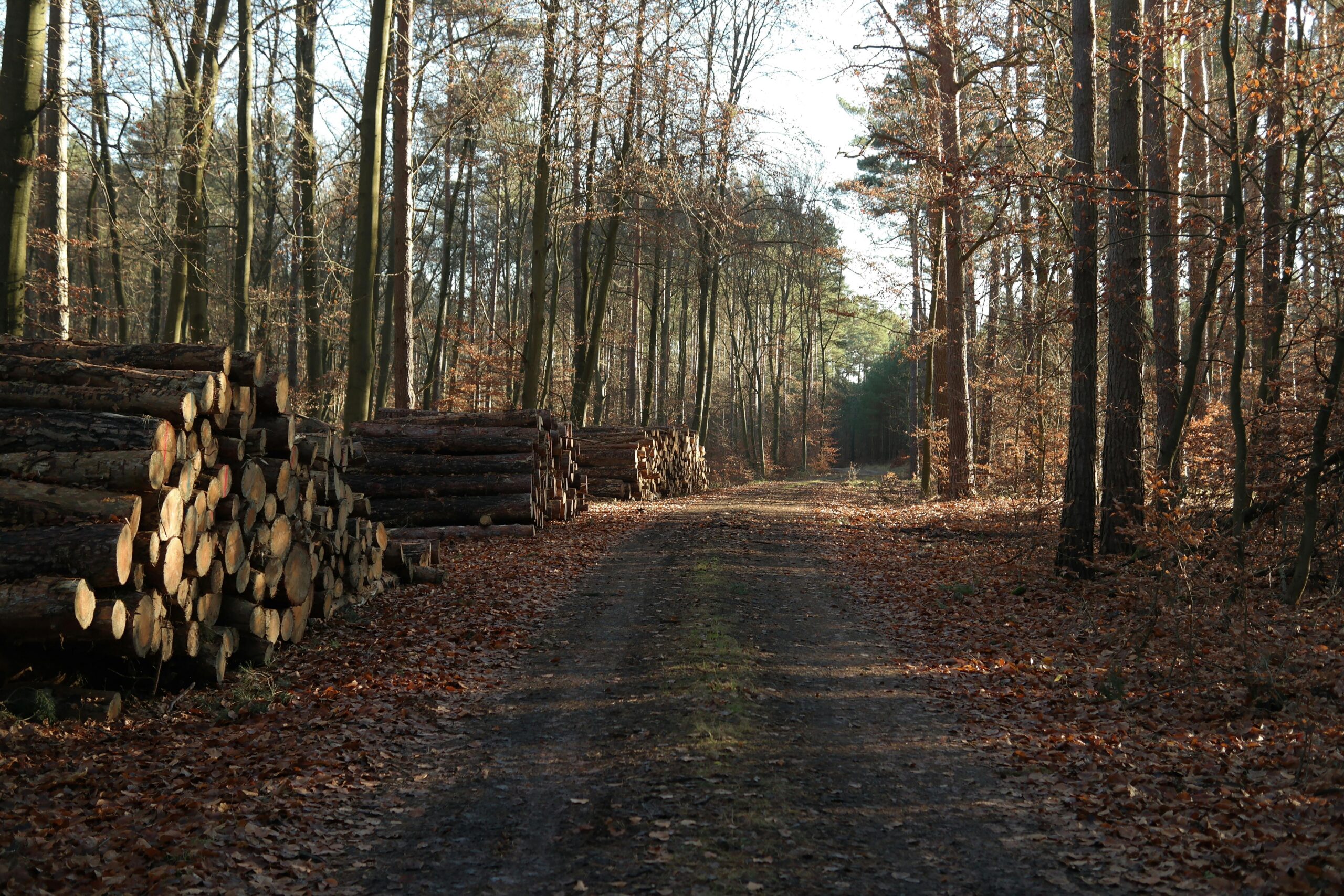
Forestland used to grow timber qualifies as farmland property.
Qualified Farmer
A qualified farmer is an individual actively engaged in farming under 7 USC Section 1308-1(b) and (c), generally requiring significant contributions to the farming operation. Landowners are generally considered actively engaged on owned land. For additional details, see USDA Farm Service Agency guidance on actively engaged in farming: https://www.fsa.usda.gov/tools/informational/payment-eligibility/actively-engaged-farming.
Making the Election on Tax Return
Individuals and entities can make the election using IRS Form 1062, Deferral of Tax on Gain From the Sale or Exchange of Qualified Farmland Property to Qualified Farmers. Include a separate Schedule A (Form 1062) for each qualified farmland sale along with a copy of the covenant with your federal income tax return for the tax year of the sale. If any installment payment is missed, the remaining balance becomes due immediately.
Thoughts on Tax Planning Strategies
This provision provides farmers and forest landowners with another tax planning option when selling or exchanging land. Many landowners are familiar with the IRC Section 1031 like-kind exchange, which allows taxpayers to defer tax on gain from the exchange of like-kind property until the replacement property is sold or otherwise disposed of. If the property is held until death and transferred through inheritance, the deferred gain may be permanently avoided through the step-up in basis rule. However, Section 1031 exchanges have strict requirements regarding timing and the identification and acquisition of qualifying replacement property.
Additional Sources of Information
For more information, please refer to IRS Instructions for Form 1062, Deferral of Tax on Gain From the Sale or Exchange of Qualified Farmland Property to Qualified Farmers.
Disclaimer: This article is for informational purposes only and is not intended to provide financial, tax, or legal advice. Please consult your own tax advisor concerning your particular tax situation.
[1] Under IRC Section 1062.
Recommended citation format: Li, Yanshu. “Selling Farm or Forest Land? A New Tax Deferral Option.” Southern Ag Today 6(25.1). June 15, 2026. Permalink